Quick Answer: St. Johns homeowners looking to add a pergola or covered structure to their pool patio should expect to invest between $8,000 and $45,000 depending on size, materials, and design complexity. Florida's heat, humidity, and afternoon thunderstorms make shade structures a practical necessity, not just a luxury. Working with a licensed local contractor who understands St. Johns County permitting and Florida building codes is essential for a project that holds up year after year.
Key Takeaways
- Jacksonville averages 233 sunny days per year, making shade structures a high-use investment that pays off quickly in comfort and home value.
- St. Johns County requires permits for most permanent covered structures, including pergolas attached to the home or pool deck.
- Material choice matters enormously in Florida's climate. Cedar, pressure-treated pine, aluminum, and vinyl all perform differently under intense UV exposure and high humidity.
- A well-designed pergola or covered patio can add 10 to 15 percent to a home's resale value in competitive St. Johns neighborhoods like Nocatee and Rivertown.
- Pairing your new covered structure with reliable weekly pool cleaning keeps the entire outdoor living space in show-ready condition.
Jacksonville's outdoor lifestyle is one of the biggest reasons families choose St. Johns County. The neighborhoods here, from Nocatee's resort-style amenities to the quiet cul-de-sacs of Rivertown and Cunningham Creek, are built around outdoor living. Pools are the centerpiece of that lifestyle, but anyone who has spent a July afternoon in Northeast Florida knows that the sun is not always your friend.
A pergola or covered patio structure solves that problem in a way that umbrellas and pop-up canopies simply cannot. It extends your usable outdoor hours, protects your furniture and your family from direct sun and sudden rain, and transforms a plain pool deck into a genuine outdoor room. Done right, it becomes the feature guests talk about and buyers notice when it comes time to sell.
This guide covers everything St. Johns homeowners need to know before starting a pool patio carpentry project. We'll walk through materials, design options, local permitting, realistic costs, and the honest difference between what you can tackle yourself and when you need a licensed pro on-site.
What St. Johns Homeowners Need to Know About Pool Patio Covered Structures
The term "covered structure" covers a wide range of options, and understanding the differences will save you time and money during the planning phase. At the most basic level, you are choosing between open-top structures like pergolas and arbors, partially covered structures with shade sails or polycarbonate panels, and fully covered structures like patio roofs and screen enclosures.
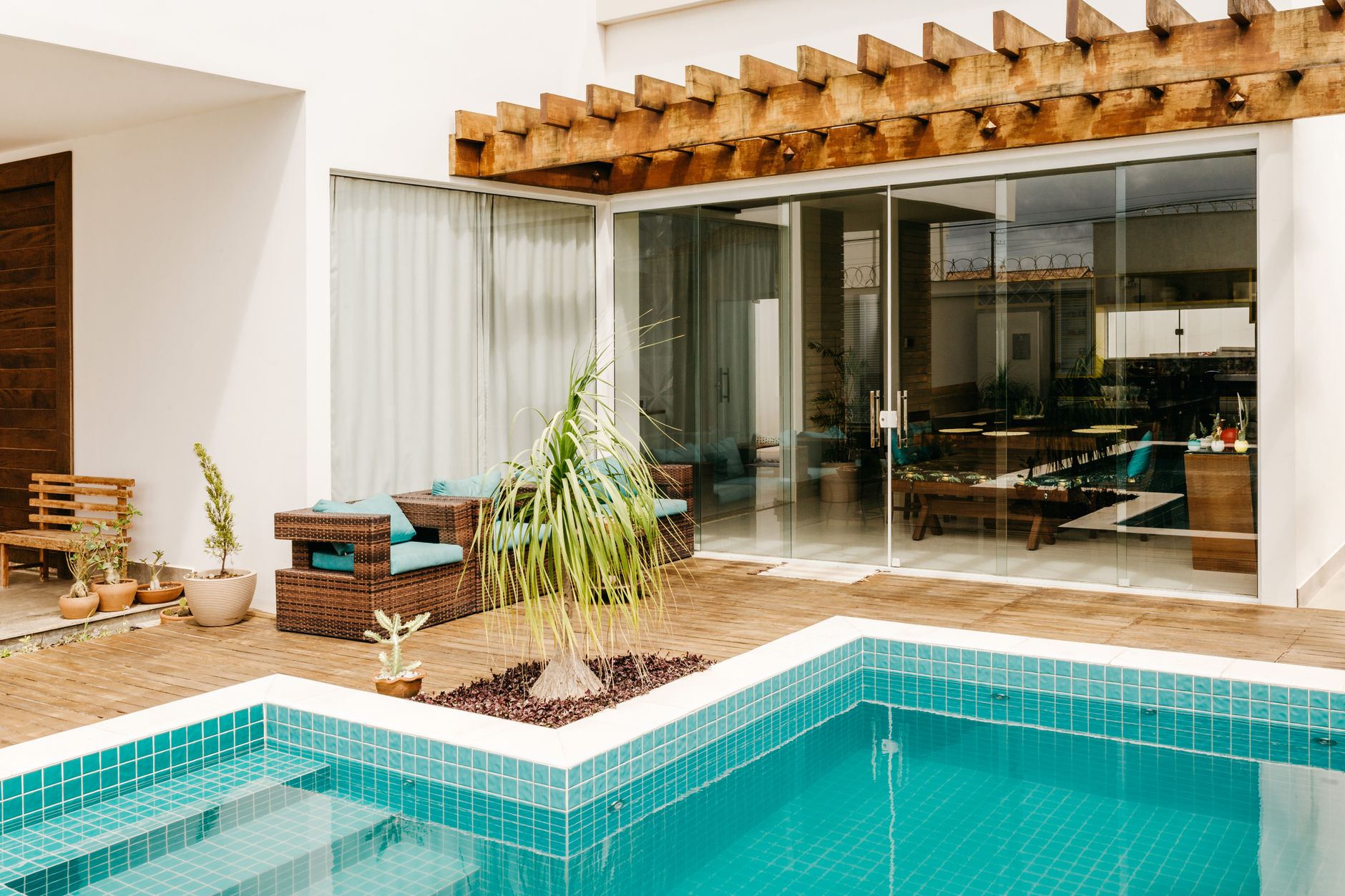
A pergola is an open lattice-style framework supported by posts. It creates filtered shade and a defined outdoor space without fully blocking the sky. Many homeowners add climbing plants, retractable shade fabric, or string lights to customize the feel. Pergolas are the most popular starting point for pool patio carpentry in St. Johns because they balance cost, aesthetics, and airflow well.
A covered patio structure goes further by adding an actual roof, whether that's metal roofing, polycarbonate panels, or shingles that match the main house. These offer true rain protection and much deeper shade. They cost more and require more substantial permits, but they dramatically increase usability during Florida's afternoon thunderstorm season, which runs from roughly May through September.
Screen enclosures are a fourth category entirely. Florida's mosquito and no-see-um pressure makes screened lanais extremely popular, especially in communities near wetlands or water features. Many St. Johns homeowners start with a pergola and later enclose it, so designing the initial structure with that upgrade in mind can save significant retrofit costs later.
Before any of this begins, you need to understand your St. Johns County permitting requirements. The Florida Building Commission sets the baseline code, but county and municipal amendments apply on top of that. Most permanent attached structures require a building permit and must meet wind load requirements specific to Florida's hurricane exposure categories. Pulling the correct permits protects your home's resale value and your homeowner's insurance coverage.
Pergola and Covered Patio Options for St. Johns Pool Patios
Choosing the right structure comes down to three factors: how you plan to use the space, how much maintenance you're willing to do, and what your home's architectural style calls for. Here's a clear breakdown of the most common options St. Johns homeowners choose.
Wood Pergolas
Cedar and pressure-treated pine are the two most common wood choices for Florida pergolas. Cedar resists moisture and insects naturally, holds stain and paint well, and looks beautiful against the warm color palettes common in St. Johns new construction. Pressure-treated pine costs less upfront but requires more consistent maintenance to prevent warping and graying in Florida's UV exposure.
Wood pergolas typically last 15 to 25 years with proper sealing and periodic refinishing. In St. Johns humidity, plan on cleaning and resealing every two to three years at minimum. Skipping that maintenance cycle is one of the fastest ways to turn a beautiful structure into an expensive replacement project.
Aluminum and Metal Pergolas
Powder-coated aluminum has become increasingly popular in Florida because it genuinely does not rot, warp, or require annual refinishing. The look has improved dramatically over the past decade, and many aluminum pergola systems now mimic the appearance of wood convincingly. For pool environments, aluminum's resistance to chlorine splash and moisture is a real advantage.
Metal pergolas are also lighter, which reduces the structural load on your pool deck and simplifies the foundation requirements. If you're adding a pergola to an existing concrete pool deck, aluminum is often the smarter structural choice. Weight matters more than most homeowners realize when working with an existing slab.
Vinyl Pergolas
Vinyl is the lowest-maintenance option available. It cleans up with soap and water, never needs painting, and holds its color well in UV exposure. The tradeoff is that vinyl can feel less premium, and the structural options are more limited in terms of span and custom design. For homeowners who want a clean, maintenance-free solution and aren't concerned about a highly custom look, vinyl is worth considering seriously.
Covered Patio Roofs
When you want true rain protection, a solid patio roof is the answer. Popular options in St. Johns include standing seam metal roofing, which handles Florida's heavy rain well and lasts 40 plus years, and corrugated polycarbonate panels, which let in diffused light while blocking rain. Some homeowners match their covered patio roofing to the main house for a cohesive look that adds the most to appraisal value.
A solid covered roof requires engineered plans and a structural permit in most St. Johns County cases. The City of Jacksonville's development services portal has permitting resources for Duval, and St. Johns County has its own Growth Management department with similar requirements. Your contractor should handle permit applications, but knowing the process helps you ask the right questions.
Combining Structures
Many of the most functional outdoor living spaces in St. Johns neighborhoods combine multiple elements. A pergola at the far end of the pool deck creates a lounging zone, while a covered patio roof over the outdoor kitchen area handles rain and grease. Mixing materials, wood posts with a metal roof, for example, is a design move that's both practical and visually interesting. Plan the full layout before you start, not one piece at a time.
Common Mistakes Jacksonville Homeowners Make
These are the issues we see come up again and again across St. Johns, Nocatee, Mandarin, and the broader Jacksonville area. Learning from other homeowners' experiences can save you thousands of dollars and a significant amount of frustration.
Skipping the Permit
This is the most expensive mistake on the list. Unpermitted structures create problems at two critical moments: when you try to sell your home and when an insurance claim involves your covered patio. Buyers' inspectors flag unpermitted additions, and insurance companies can use them as grounds to deny claims. St. Johns County code enforcement has also become more active in established neighborhoods. The permit process adds time and a modest cost, but it is not optional if you want to protect your investment.
Choosing the Wrong Material for Florida's Climate
Materials that perform beautifully in other climates can fail quickly in Northeast Florida. Untreated or improperly treated wood pergolas can show serious moisture damage within three to five years without proper sealing. Certain composite materials can warp or delaminate in prolonged UV exposure. Always ask your contractor or supplier specifically about Florida climate performance and get references from local installations, not showroom photos from states with milder weather.
Undersizing the Structure
Homeowners often build smaller than they need because of upfront cost concerns, then wish they had gone larger within the first season. A pergola that's just big enough for a small table feels cramped when the whole family is outside. Measure your current furniture layout, then add at least four to six feet in each direction for comfortable traffic flow. The cost difference between a modestly sized and a properly sized pergola is usually smaller than people expect.
Not Accounting for Wind Load
Florida's hurricane exposure requirements exist for a reason. A pergola or covered structure that isn't engineered for the correct wind load category can become a projectile in a severe storm. This is not a code requirement to work around. Make sure your contractor provides documentation that the structure meets or exceeds the wind load specifications for St. Johns County. The National Association of Home Builders has published guidance on hurricane-resistant outdoor structures that can help you understand what the requirements mean in practical terms.
Ignoring Drainage and Slope
Florida receives an average of 52 inches of rain per year, much of it in intense afternoon bursts. A covered patio structure that isn't designed with proper drainage in mind will pool water on the roof, direct it onto the pool deck in concentrated streams, or dump it against the home's foundation. Make sure your contractor addresses roof pitch, gutter integration, and how rainwater will flow away from the structure and the pool equipment area before construction begins.
DIY vs. Hiring a Professional in Jacksonville
There are portions of a pergola or covered patio project that a skilled homeowner can realistically handle. And there are portions where a DIY approach will cost you more in the long run than hiring a professional from the start.
Honest DIY territory includes things like painting or staining a structure after it's built, adding decorative lighting and fans, installing shade fabric or shade sails on an existing frame, and planting climbing vines or adding planters around a completed pergola. These finishing touches can represent real savings and allow you to customize the space over time without depending on a contractor's schedule.
Where professional help becomes essential: anything involving footings and concrete, structural connections to the home, electrical work for lighting or fans, roofing materials and waterproofing, and permit applications. Florida building code requires licensed contractors for most of this work, and for good reason. An improperly set footing can cause a structure to shift and crack. A missed electrical code requirement creates a fire risk in a wet outdoor environment.
The permit question also effectively answers the DIY question for most homeowners. If your project requires a permit, you almost certainly need a licensed general contractor or specialty contractor to sign off on the work. In St. Johns County, that means working with someone who holds a current Florida contractor's license and has the insurance coverage to back it up.
At Clean & Clear Pools, with a 5.0-star Google rating backed by 135 verified customer reviews and thousands of completed jobs across Jacksonville, we work with trusted local carpentry and construction partners who understand pool deck environments specifically. The interaction between pool chemistry, moisture, and structural materials is something a generalist contractor may underestimate. Choosing someone with direct pool environment experience pays off in how long the structure holds up.
If you're weighing your options and want straightforward advice, our team is happy to walk you through what makes sense for your specific yard and budget. Check out our Pool Service FAQs for answers to common questions, and feel free to reach out directly.
What to Expect: Cost Breakdown for Jacksonville
Costs vary significantly based on size, materials, site conditions, and design complexity. These ranges reflect real project costs in the St. Johns, Nocatee, and greater Jacksonville market as of 2024. Treat them as planning benchmarks, not fixed quotes.
Freestanding wood pergola (12x12 to 16x16): $8,000 to $18,000 installed, including footings and permit fees. Cedar on the higher end, pressure-treated pine on the lower. Basic lattice top with no roofing material.
Aluminum pergola system (12x16 to 20x20): $12,000 to $25,000 installed. Premium powder-coated systems with integrated drainage channels sit at the higher end. Lower-maintenance over the long term than wood in Florida conditions.
Covered patio roof addition (attached to home): $15,000 to $35,000 for a 200 to 400 square foot structure. Metal roofing, structural engineering, and permit costs are the main drivers. Matching the home's existing roofline and material adds to cost but adds the most to appraisal value.
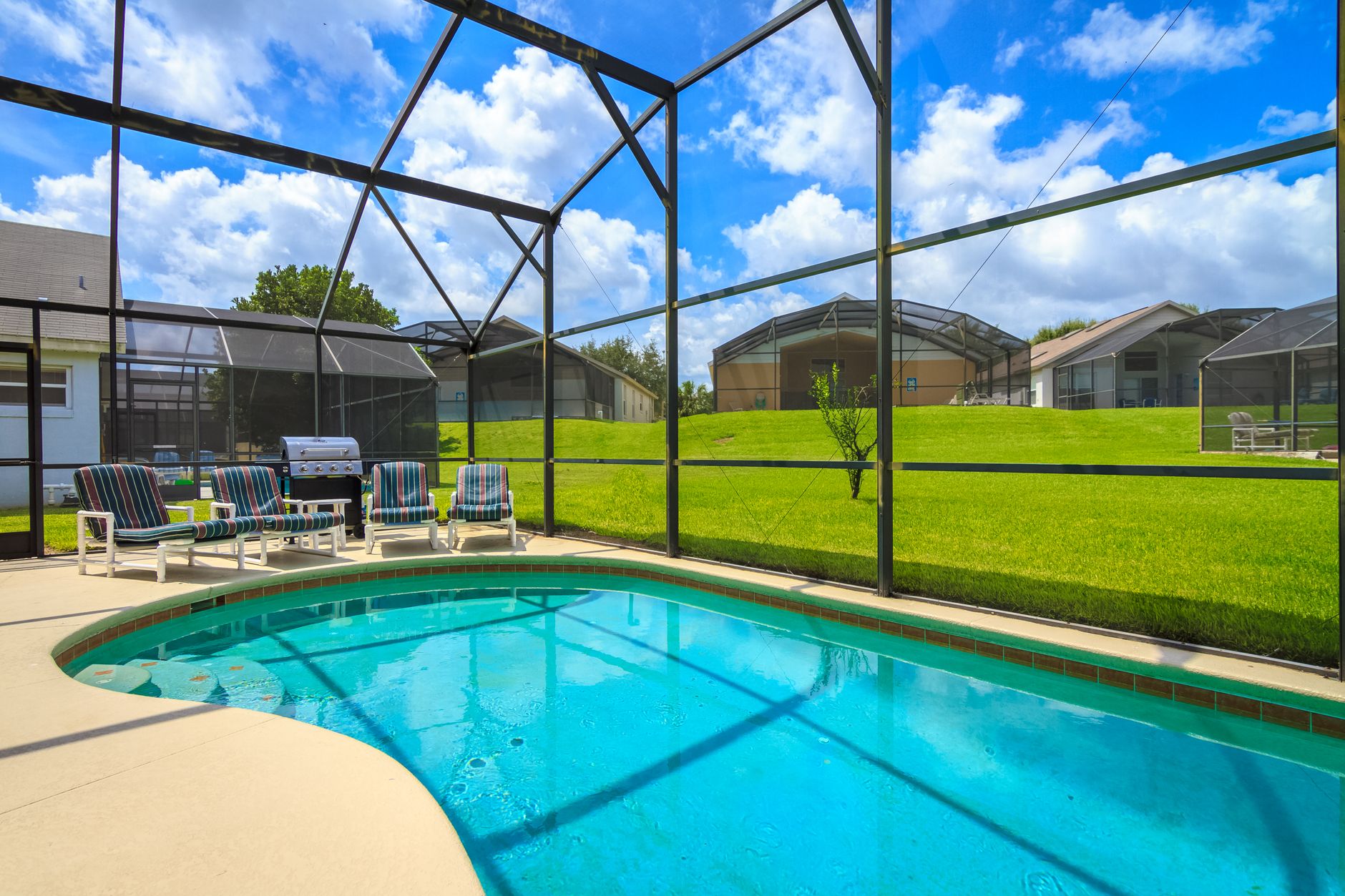
Screen enclosure over existing patio: $10,000 to $20,000 depending on size and frame material. No-see-um grade screening sits at the high end. A screened structure over a pool in St. Johns County also reduces pool cleaning frequency by keeping debris out, which creates ongoing savings.
Full outdoor living room build (pergola, outdoor kitchen rough-in, electrical, fans, lighting): $30,000 to $60,000 plus. These are the projects that make neighborhood impact and show clearly in home valuations. In Nocatee and St. Johns communities where buyers expect upgraded outdoor spaces, the return on investment is particularly strong.
Framing any of these numbers as simply "cost" misses the larger picture. Homes in St. Johns County with upgraded outdoor living spaces consistently sell faster and at higher price points than comparable homes without them. The National Association of Home Builders reports that outdoor living spaces remain among the top features buyers prioritize, and in Florida markets, that preference is more pronounced than the national average.
Pro Tips from Our Jacksonville Team
These are observations from working on pool environments across St. Johns, Nocatee, Mandarin, and Southside Jacksonville. They're the kind of details that don't always make it into the contractor's sales pitch but make a real difference in how a project turns out.
Tip 1: Orient your structure for afternoon shade, not morning light. In St. Johns, the brutal heat comes from the west and southwest during peak afternoon hours. If your pergola or covered structure is oriented to block that western sun angle, you'll get dramatically more comfortable afternoon use. Many homeowners don't think about solar orientation during planning and end up with beautiful shade at 9 a.m. when they don't need it and full sun at 3 p.m. when they do.
Tip 2: Specify stainless steel or hot-dipped galvanized hardware throughout. Pool environments are corrosive. Chlorine off-gassing, high humidity, and Florida's salt air from coastal proximity all attack standard hardware at an accelerated rate. Upgrading to stainless steel fasteners and brackets adds a small cost upfront and a significant number of years to the structure's lifespan. This is not a specification to let a contractor talk you out of to shave the bid.
Tip 3: Run conduit for electrical during the build, even if you're not wiring now. Adding a ceiling fan, a string of outdoor pendant lights, or a future outdoor TV requires electrical work. Running conduit through the posts and beams during initial construction costs almost nothing. Retrofitting electrical into a finished structure costs significantly more and looks less clean. Think about how you'll eventually want the space to function and build the infrastructure for it now.
Tip 4: Talk to your pool equipment technician before finalizing placement. Pergola posts and footings placed without accounting for pool equipment access can create real headaches for future pool equipment repair and servicing. Make sure there's clear access to your pump, filter, and automation equipment from outside the structure. Our team at Clean & Clear Pools has seen beautiful pergola builds that made routine equipment maintenance far more difficult than it needed to be.
Tip 5: Ask for a Florida-specific material warranty, not a general one. Many manufacturers offer warranties that are written for temperate climates. Florida UV exposure, humidity levels, and temperature cycles can void or complicate claims if the warranty language doesn't specifically account for Florida conditions. Ask your contractor and the material supplier directly whether the warranty applies to Florida installations and get that confirmation in writing before you sign anything.
Tip 6: Consider pool service access when designing gate and fence integration. If your pergola or covered structure connects to a fence or gate system around the pool, make sure the access points work for weekly service visits. Our teams serving pool service in Nocatee and pool service in Mandarin visit properties weekly, and tight or awkward access points create problems over time. A little forethought during the design phase keeps your pool service running smoothly year after year.
Frequently Asked Questions
Do I need a permit to build a pergola over my pool patio in St. Johns County?
In most cases, yes. St. Johns County requires building permits for permanent structures, including pergolas that are attached to the home or anchored with concrete footings. Freestanding pergolas under a certain square footage may qualify for an exemption in some situations, but the rules are specific and worth confirming before you begin. Unpermitted structures can create problems during home sales, with insurance claims, and if code enforcement becomes involved. Your licensed contractor should handle the permit application as part of the project scope, not as an add-on afterthought. The Florida Building Commission website has the baseline code requirements, and St. Johns County Growth Management can answer jurisdiction-specific questions.
How long does it take to build a pergola or covered patio in St. Johns FL?
For a standard wood or aluminum pergola, expect four to eight weeks from signed contract to completion when you factor in permit processing time. The construction itself for a mid-size pergola typically takes three to seven days of active work. More complex projects like a covered patio roof addition with electrical and outdoor kitchen rough-in can take eight to fourteen weeks from contract to completion. Permit review timelines in St. Johns County can run two to four weeks, and that clock doesn't start until the contractor submits complete documentation. Planning ahead and getting on a contractor's schedule early is especially important if you want a structure finished before peak pool season in May.
What is the best material for a pergola in Florida's climate?
There's no single best answer because the right material depends on your priorities around budget, maintenance tolerance, and aesthetics. Aluminum is the most climate-resistant choice for Florida pool environments because it doesn't rot, warp, or corrode from chlorine exposure. Cedar performs well for homeowners who want a natural wood look and are committed to sealing and maintenance every two to three years. Pressure-treated pine is a budget-friendly wood option but requires more diligent maintenance than cedar. Vinyl is genuinely maintenance-free but offers fewer custom design options. For pool environments specifically, avoid untreated or under-treated wood and any hardware that isn't rated for corrosive environments.
Will a pergola or covered patio increase my home's value in St. Johns?
Yes, and the return is generally strong in St. Johns County's competitive market. Outdoor living upgrades consistently rank among the highest-return home improvements in Florida, where buyers expect to use outdoor spaces year-round. A well-designed, permitted pergola or covered patio can add 10 to 15 percent to a home's market value depending on the quality of the build and how well it integrates with the pool and landscaping. Buyers in Nocatee, Rivertown, and similar communities are particularly attuned to outdoor living quality because those neighborhoods are built around it. An unpermitted structure, however, can actually reduce value by creating a required remediation or disclosure issue during sale.
How do I choose a reliable contractor for pool patio carpentry in Jacksonville?
Start by verifying the contractor holds a current Florida state contractor's license and carries both general liability and workers' compensation insurance. Ask specifically about their experience with pool environment projects because the interaction between wood, hardware, moisture, and pool chemistry is different from standard residential carpentry. Request at least three local references from completed projects in St. Johns or Duval County and follow up by actually calling those references. Get detailed written bids from at least two contractors that specify materials, hardware grades, permit responsibility, and payment schedule. Be cautious of bids that are dramatically lower than others without clear explanation. Our team at Clean & Clear Pools can refer trusted local carpentry partners based on direct experience working alongside them on pool property projects.
What maintenance does a pool patio pergola need in Florida?
Wood pergolas need cleaning and resealing every two to three years at minimum in Florida's climate. Use a product rated for exterior UV exposure and apply it when the wood is clean, dry, and free of mildew. Inspect all hardware annually for corrosion, especially fasteners near the pool where chemical exposure is highest. Keep climbing plants trimmed so they don't trap moisture against wood members or work their way into joint connections. Aluminum and vinyl pergolas need much less attention, typically just cleaning with soap and water a few times per year to remove pollen, algae, and Florida's pervasive mold. Pairing a regular pergola cleaning routine with your weekly pool cleaning service keeps the whole outdoor space looking sharp.
Can I add a ceiling fan or lighting to my pergola in St. Johns?
Yes, and ceiling fans are highly recommended for Florida pool patios because they make the space genuinely comfortable on hot, still days that would otherwise drive you indoors. All outdoor electrical work near a pool must meet NEC code requirements for wet and damp locations, and in Florida, pool-area electrical work specifically requires a licensed electrical contractor. Fans and light fixtures must be rated for wet or damp locations depending on their proximity to the pool and exposure to rain. If you plan to add electrical, discuss it during the structural design phase so conduit can be run cleanly through the posts and beams rather than retrofitted on the surface later. A dedicated outdoor circuit is the right way to handle this, not an extension from an interior outlet.
What are the warning signs that a pergola or covered structure needs repair or replacement?
For wood structures, look for soft or spongy areas when you press on beams, visible discoloration or staining that penetrates below the surface, cracks in structural members that run with the grain for more than a foot, and hardware that shows significant rust or has worked loose from the wood. Any visible movement or wobble in the structure when you apply lateral pressure is a serious warning sign that requires immediate professional evaluation. For roofed structures, check for water staining on the underside of roofing panels after rain, gaps at ridge or eave connections, and any rust streaking on metal roofing. Addressing small issues proactively is far less expensive than allowing structural damage to compound. If you're unsure what you're seeing, have a licensed contractor evaluate the structure before your next storm season.
How does Florida's weather affect the timeline for building a pergola?
Florida's rainy season from May through September creates real scheduling challenges for outdoor carpentry work. Concrete pours for footings, wood staining, and certain roofing applications can't happen during rain or in the immediate aftermath of a heavy downpour. Experienced local contractors schedule around typical afternoon thunderstorm patterns and build weather delays into their project timelines. If you want a structure finished and ready for peak summer pool use, aim to start the planning and contracting process by February or March at the latest. Fall and winter are actually the most efficient construction windows in Jacksonville because weather delays are minimized and contractor schedules are generally more open than in spring.
Ready to Get Started?
Adding a pergola or covered structure to your St. Johns pool patio is one of the most rewarding outdoor living investments a Jacksonville homeowner can make. It extends the hours you spend outside, protects your family and furniture from Florida's intense sun and afternoon rains, and adds real, measurable value to your home in one of Northeast Florida's most competitive real estate markets.
Clean & Clear Pools is a 5.0-star rated home services company in Jacksonville, FL with 135 verified Google reviews and thousands of completed jobs across the area. We serve homeowners throughout Jacksonville, Ponte Vedra Beach, Mandarin, Nocatee, St. Johns, and the surrounding communities, including Southside Jacksonville. Our team works with trusted local carpentry and construction professionals who specialize in pool property outdoor living projects and understand both Florida building requirements and pool environment specifics.
Whether you're ready to plan a full covered patio build or just want an honest conversation about what makes sense for your yard and budget, we're here to help. Call us at (904) 747-8788 or visit our office at 7643 Gate Parkway, Suite 104-1230, Jacksonville, FL 32256.
Request a Free Estimate and let's start planning the outdoor space your St. Johns home deserves.
You can also learn more about our team and our approach to home services in the Jacksonville area. We'd love to earn your business and add your review to our growing list of five-star experiences.